

Blog
How to Wash Your Official Scuffers Hoodie?

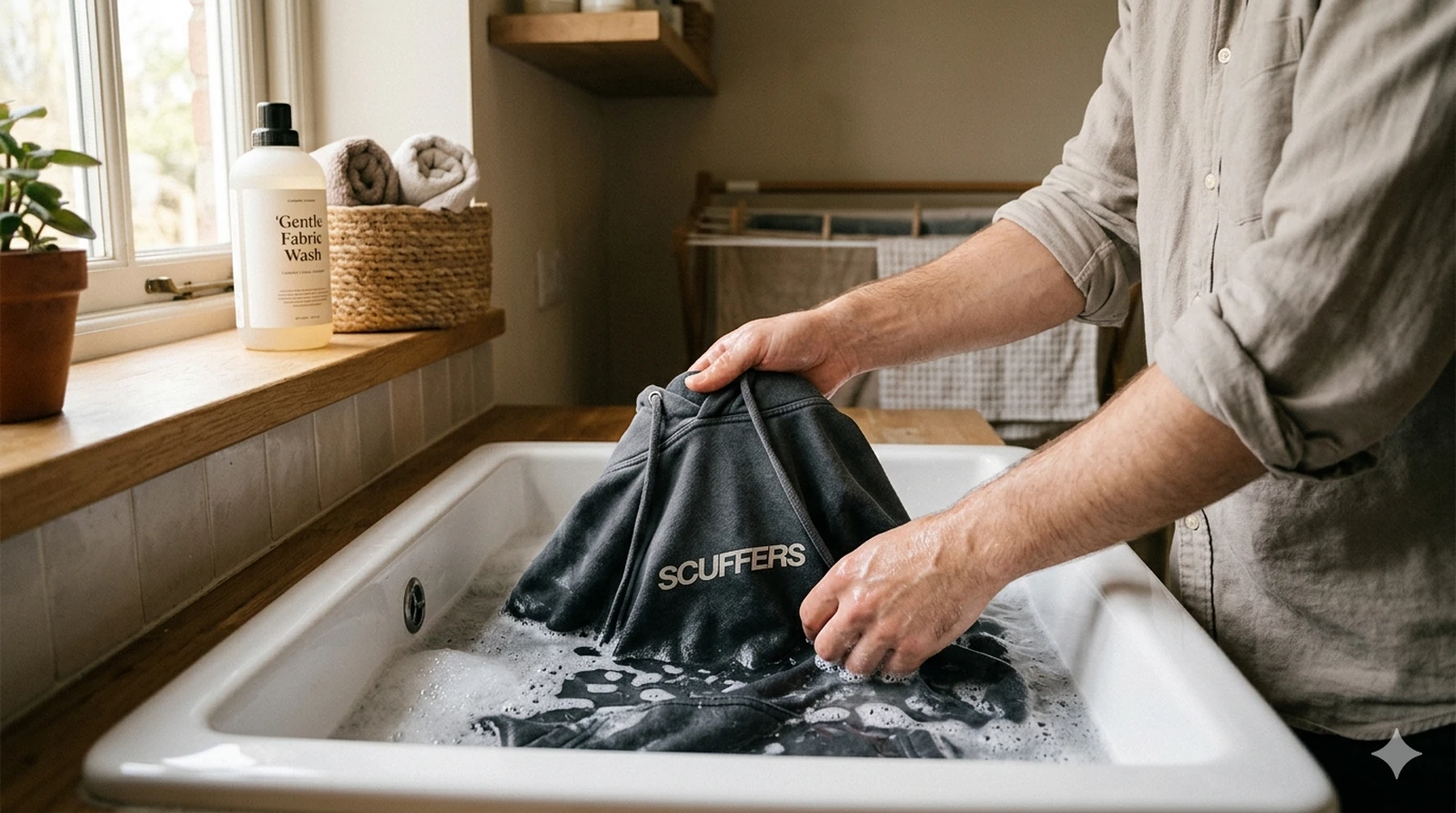
There is something deeply satisfying about pulling on a fresh, well-maintained hoodie that still looks as good as the day it arrived. For anyone who owns a piece from the Official Scuffers Clothing Store, that feeling is familiar. Scuffers has built a reputation for crafting premium streetwear that blends bold design with quality fabric construction. Whether you picked yours up during a Scuffers Hoodie Sale or paid full price for a limited drop, protecting that investment starts with knowing how to wash it properly. Poor laundry habits are the number one reason premium hoodies lose their structure, vibrancy, and softness over time. This guide breaks down everything you need to know to keep your hoodie looking sharp, feeling plush, and holding its color wash after wash.
Why Fabric Care Matters More Than You Think
Most people treat their hoodies like ordinary cotton sweatshirts, tossing them into a hot wash without a second thought. That approach might work for cheap basics, but it is a slow death sentence for any quality streetwear piece. The fabric blends used in premium hoodies are engineered for both comfort and durability, but they respond poorly to heat, harsh detergents, and aggressive spin cycles. Streetwear culture places enormous value on how a garment looks over time, and a hoodie that has faded, pilled, or shrunk after a few washes loses its identity. Taking a few extra minutes to care for your hoodie correctly is not overcaution; it is respect for the craft that went into making it.
Checking the Care Label Before You Do Anything
Before running any hoodie under water, the first step is always to read the care label stitched inside. This small strip of fabric contains instructions specific to the materials used in that particular garment. The Scuffers Hoodie range uses fabric compositions that often include cotton-polyester blends or heavyweight fleece constructions, and each behaves differently under washing conditions. Look for temperature guidance, machine wash or hand wash indicators, and any warnings about tumble drying or bleach. If the label is faded or hard to read, the safest default is always cold water and a gentle cycle. Never assume that what worked for another brand will automatically transfer to your Scuffers piece.
Sorting Your Wash Load the Right Way
One of the most overlooked laundry habits is washing similar colors together, and this matters enormously when you own vibrant streetwear. The Scuffers Yellow Hoodie, for instance, should never go into a load with dark denim or heavily dyed garments that could transfer color during the wash cycle. Similarly, the Scuffers Grey Hoodie benefits from being washed alongside lighter neutral tones rather than dark pieces that may subtly dull its clean finish over time. The Yellow Scuffers Hoodie and other bright colorways are especially vulnerable during the first few washes when dyes are still settling into the fabric. Sorting by color is not just good practice — it is one of the simplest ways to preserve the visual integrity of your hoodie long term.
Choosing the Right Detergent for Your Scuffers Hoodie
Not all laundry detergents are created equal, and using the wrong one can do more damage than a hot wash cycle. Powder detergents, while effective at deep cleaning, can leave residue in thick fleece fabrics if not fully dissolved before the garment enters the drum. Liquid detergents formulated for cold water washing are a much better choice for premium hoodies. Avoid products labeled “biological” or “enzyme-based” because these formulas break down organic material and may weaken cotton and polyester fibres over time. A gentle, colour-safe liquid detergent used in moderate quantities is the sweet spot. For pieces with graphic prints, such as the Scuffers With Love Hoodie or the Scuffers Cheetah Hoodie, a detergent designed for delicate prints will help prevent cracking or peeling around the design.
The Cold Wash Rule and Why It Protects Color
Heat is the enemy of color retention, and this principle applies across every hoodie in the Scuffers lineup. Washing in cold water, typically at or below 30°C, dramatically reduces the risk of color bleed, fabric shrinkage, and print damage. The Scuffers Raw Blue Hoodie and the Scuffers Safari Blue Hoodie both feature deep, saturated tones that are especially sensitive to high temperatures. Even the Scuffers Blue Hoodie in its more muted finish can lose depth and vibrancy with repeated hot washes. Cold water cleans effectively when paired with the right detergent and does not place unnecessary stress on the stitching, hems, or ribbing that give a well-constructed hoodie its shape. Making cold water your default is one of the easiest habits to adopt.
Turning Your Hoodie Inside Out Before Every Wash
This single step takes three seconds and makes a measurable difference in how long your hoodie looks new. Turning the garment inside out before placing it in the machine protects the outer surface of the fabric from friction caused by the drum and other garments in the load. For hoodies featuring embroidered logos, screen-printed graphics, or raised textures, this is not optional. The Scuffers Hoodie With Love design, for example, features detailing that can crack or fray if repeatedly exposed to direct friction during washing. The Hoodie Scuffers community on social media is full of people sharing tips about garment longevity, and turning inside out consistently comes up as one of the most recommended practices by long-term owners.
Washing Specific Scuffers Hoodie Styles with Extra Care
Certain styles in the Scuffers range have particular characteristics that warrant extra attention during the wash process. The Scuffers Navy Hoodie and deeper-toned pieces benefit from a small amount of white vinegar added to the rinse cycle, which acts as a natural color fixative and prevents gradual fading. Brighter pieces like the Scuffers Hoodie Yellow variant should be washed on the shortest cycle available to minimize dye exposure time. For the Scuffers Women’s range, which often features softer fleece and more tailored fits, hand washing in cool water is always a safer option than machine washing, particularly for maintaining the garment’s shape around the waist and cuffs. The With Love Scuffers Hoodie, being a style that often carries sentimental and fashion value equally, deserves that extra level of care.
Avoiding Common Washing Mistakes That Ruin Premium Hoodies
Overloading the washing machine is one of the most damaging things you can do to a quality hoodie. When the drum is too full, garments cannot move freely, which means friction increases and the agitation cycle pulls and stretches fabric unevenly. Using too much detergent is equally problematic because excess soap traps in the fibres and attracts dirt faster between washes. Leaving a wet hoodie sitting in the drum after the cycle ends leads to mildew odour and can permanently set creases into the fabric. Anyone asking themselves are Scuffers Hoodies worth it should know that the answer is yes, but only if you treat them with the same respect you would give any investment-grade garment.
Drying Techniques That Preserve Shape and Softness
Heat from tumble dryers is responsible for more shrinkage and fabric degradation than almost any other factor in hoodie care. Air drying is the gold standard for any premium streetwear piece from Scuffers UK or the Scuffers Hoodie US market. After washing, gently reshape the hoodie by hand while it is still damp, pulling the hem, cuffs, and hood back into their intended proportions. Lay it flat on a clean drying rack or a large dry towel away from direct sunlight, which can bleach color out of even the most vibrant dyes. If you need to use a dryer, choose the lowest heat setting and remove the hoodie while it is still slightly damp to finish air drying. Never wring or twist the fabric to remove excess water.
Storing Your Hoodie to Keep It Looking Fresh Between Wears
How you store a hoodie between wears has a direct impact on how it holds up over time. Folding and storing in a drawer is preferable to hanging for heavyweight pieces, because prolonged hanging can stretch the shoulder seams and distort the neckline over time. Keep the storage area dry and well-ventilated to prevent any moisture buildup that could affect fabric quality. Cedar blocks placed nearby can help deter moths and insects without the chemical damage that mothballs cause. Scuffers Hoodie Clothing is designed to last, but even the best construction cannot compensate for poor storage habits. Treat the space where your hoodie lives with as much thought as you give the washing process itself.
Caring for a premium streetwear piece is not complicated, but it does require consistency and intention. From choosing a gentle cold-water detergent to air-drying flat and storing properly, each step in the process contributes to how long your hoodie holds its shape, color, and softness. Whether you own a Scuffers Yellow Hoodie in a vivid seasonal colorway or a classic Scuffers Grey Hoodie that anchors your everyday rotation, the washing principles remain largely the same. Realizing that fabric longevity depends directly on how you maintain a garment completely changes the way you approach laundry. A well-cared-for Scuffers Hoodie does not just look better — it tells the story of an owner who values quality. With the right habits in place, your hoodie will stay premium, comfortable, and visually striking for years to come.
FAQs
The best way to wash an Official Scuffers Hoodie is by turning it inside out, using cold water, selecting a gentle wash cycle, and choosing a mild liquid detergent. This helps preserve the fabric, color, and overall fit.
Yes. Most Official Scuffers Hoodies can be machine washed on a gentle cycle with cold water. Always check the care label first, as different materials may require slightly different washing instructions.
Cold water is the recommended choice. It helps reduce fading, prevents shrinkage, and protects printed or embroidered details while keeping your hoodie looking newer for longer.
Air drying is the safest option for maintaining the quality of your Official Scuffers Hoodie. If you must use a dryer, choose the lowest heat setting and remove the hoodie while it is still slightly damp.
You don’t need to wash your hoodie after every wear unless it becomes dirty or develops odors. Washing only when necessary helps extend the life of the fabric and preserves its original appearance.
Turning the hoodie inside out protects the outer fabric from friction during the wash cycle. It also helps preserve graphics, embroidery, and printed designs from unnecessary wear.
A mild liquid detergent designed for cold-water washing is the best choice. Avoid harsh chemicals and heavy-duty detergents that may reduce fabric softness or affect color quality.
Wash it inside out with cold water, use a gentle detergent, avoid high heat, air dry whenever possible, and fold it neatly instead of hanging it for long periods. These simple habits help maintain its premium look.
Premium streetwear is designed to last, but its appearance depends on proper maintenance. Correct washing and storage help preserve the hoodie’s softness, shape, color, and overall quality, allowing you to enjoy it for years.